
EXPOSE

The Project

SPREE:FABRIK
Köpenickerstraße 7A, Berlin, Kreuzberg

The Köpenicker Straße 7a site is a prime example of responsible urban development, preserving Berlin’s protected industrial heritage while integrating it with the demands of contemporary use. The aim is to create a vibrant urban destination that meets the needs of modern working and living environments while adhering to the principles of sustainable urban development.The revitalisation of the existing buildings places a strong emphasis on environmental considerations and resource-efficient refurbishment. Energy-efficient technologies and extensive green landscaping concepts will be implemented to improve the local microclimate and enhance the overall quality of the environment. The adjacent River Spree will be incorporated into the landscape design as a defining element of the site’s identity, providing attractive spaces for recreation and community use.The concept provides a flexible range of spaces that can be adapted to the needs of different user groups — from individual workstations and smaller units to larger, more spacious configurations. The offering will be complemented by ground-floor food and beverage amenities, as well as communal outdoor areas, including landscaped terraces on every floor and a rooftop terrace.The needs and experience of users are at the heart of the development. By creating a diverse range of spaces for interaction, work and leisure, the project aims to foster social exchange and sustainably enhance quality of life. It represents a contribution to forward-looking and sustainable urban development — preserving the historic character and qualities of the site while creating a future-oriented environment designed to meet evolving needs.Interested parties are invited to discover the potential of this unique location and follow the transformation of the site into a modern, sustainable and attractive urban destination.

Rental areas

Factory Building
2000sqm total rentable area
5 rental units
Units ranging from 200 to 800sqm
Expose

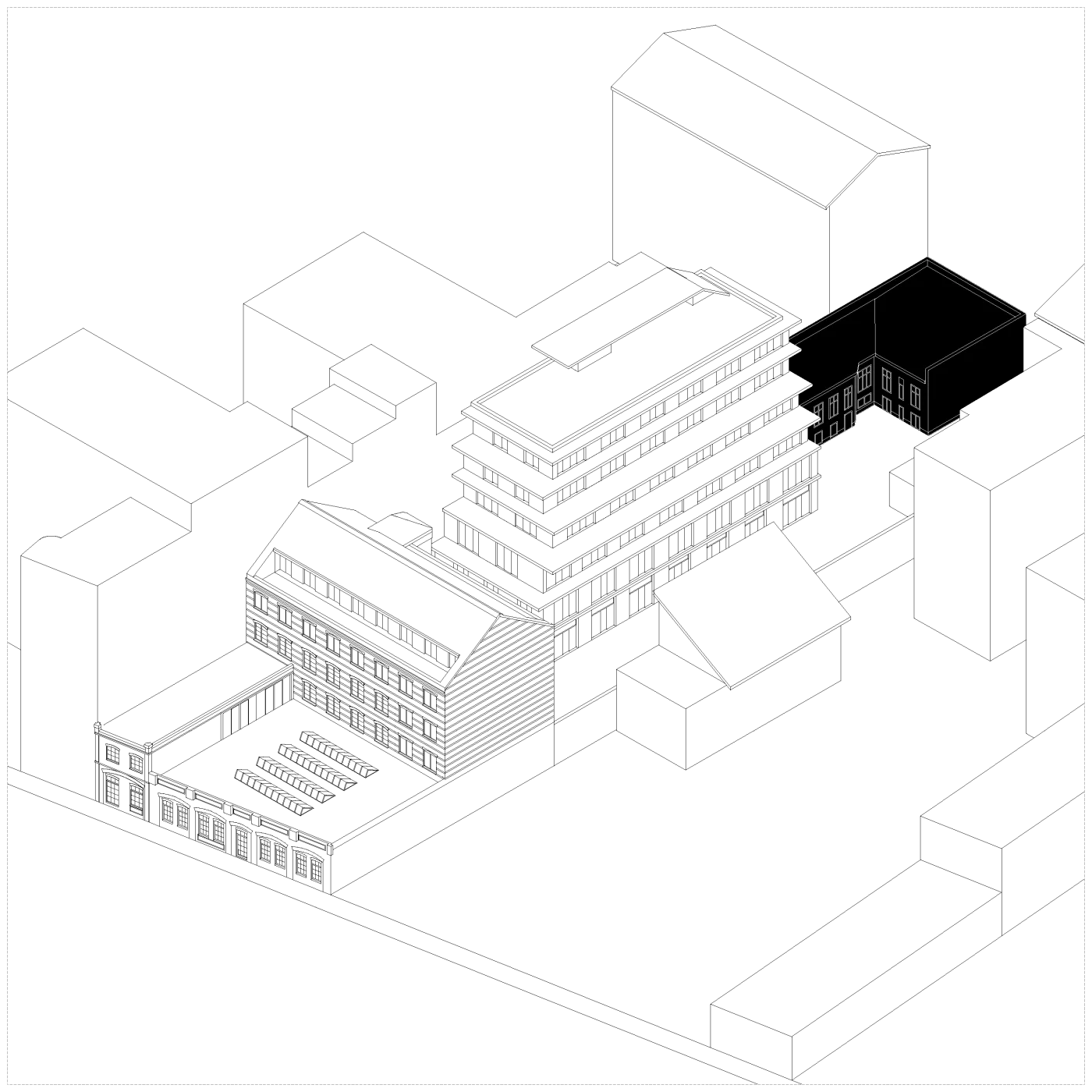
Lageplan vom Neubau

Terrace Building
2,500 sqm total rentable area
14 rental units
Units ranging from 50 to 400 sqm
Expose

Front Building
300 sqm total rentable area
2 rental units
Units ranging from 100 to 300 sqm

Leased

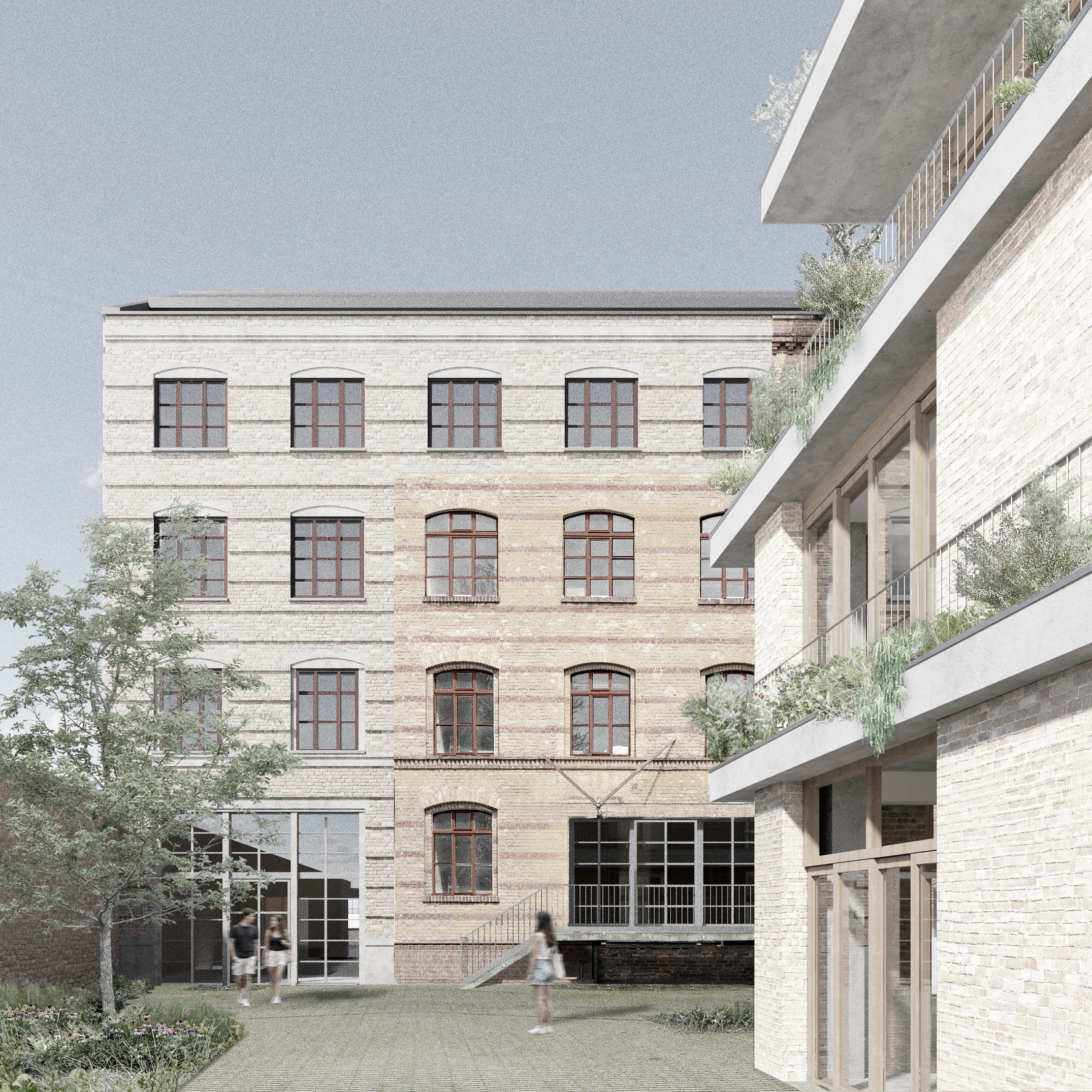
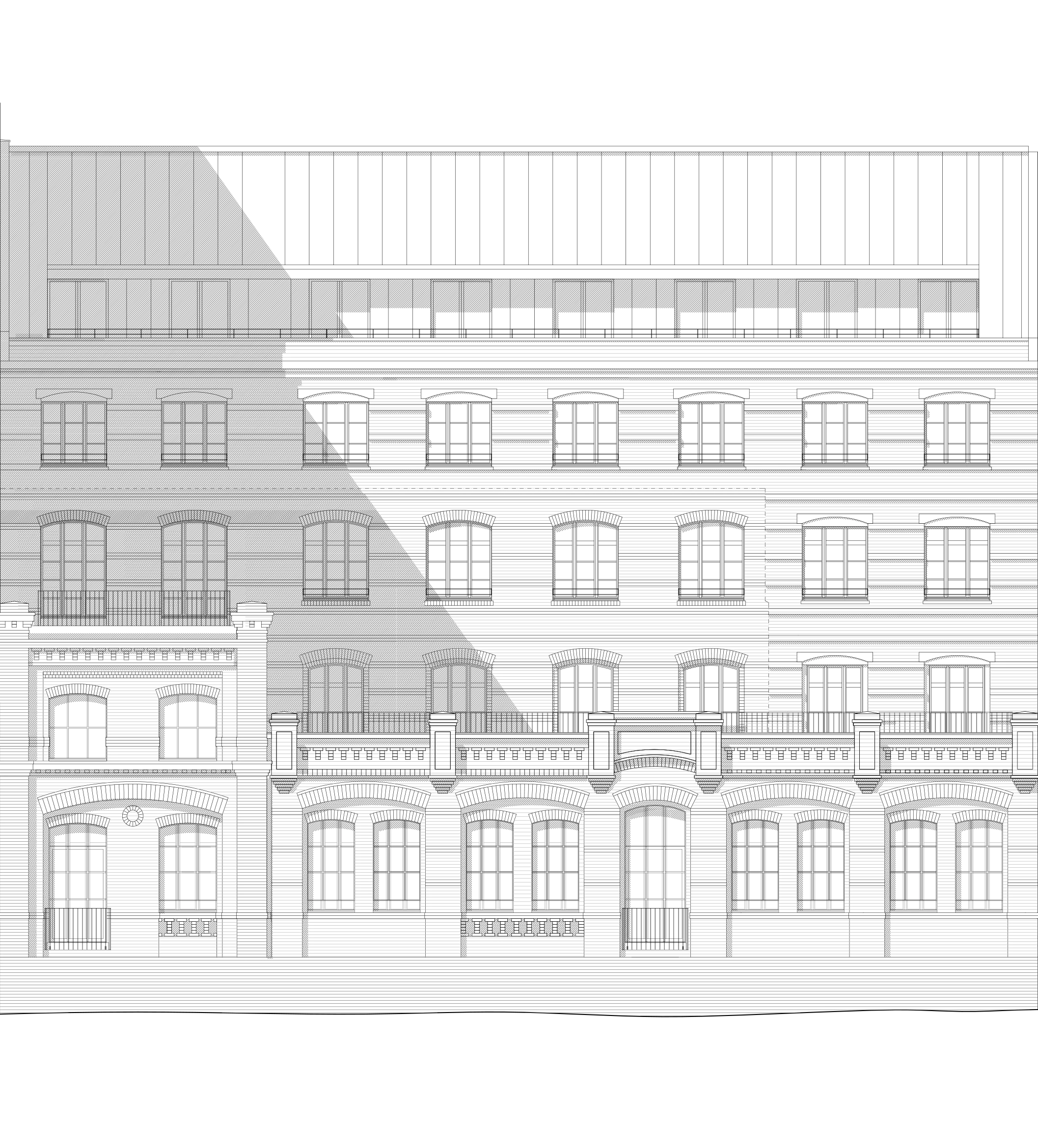
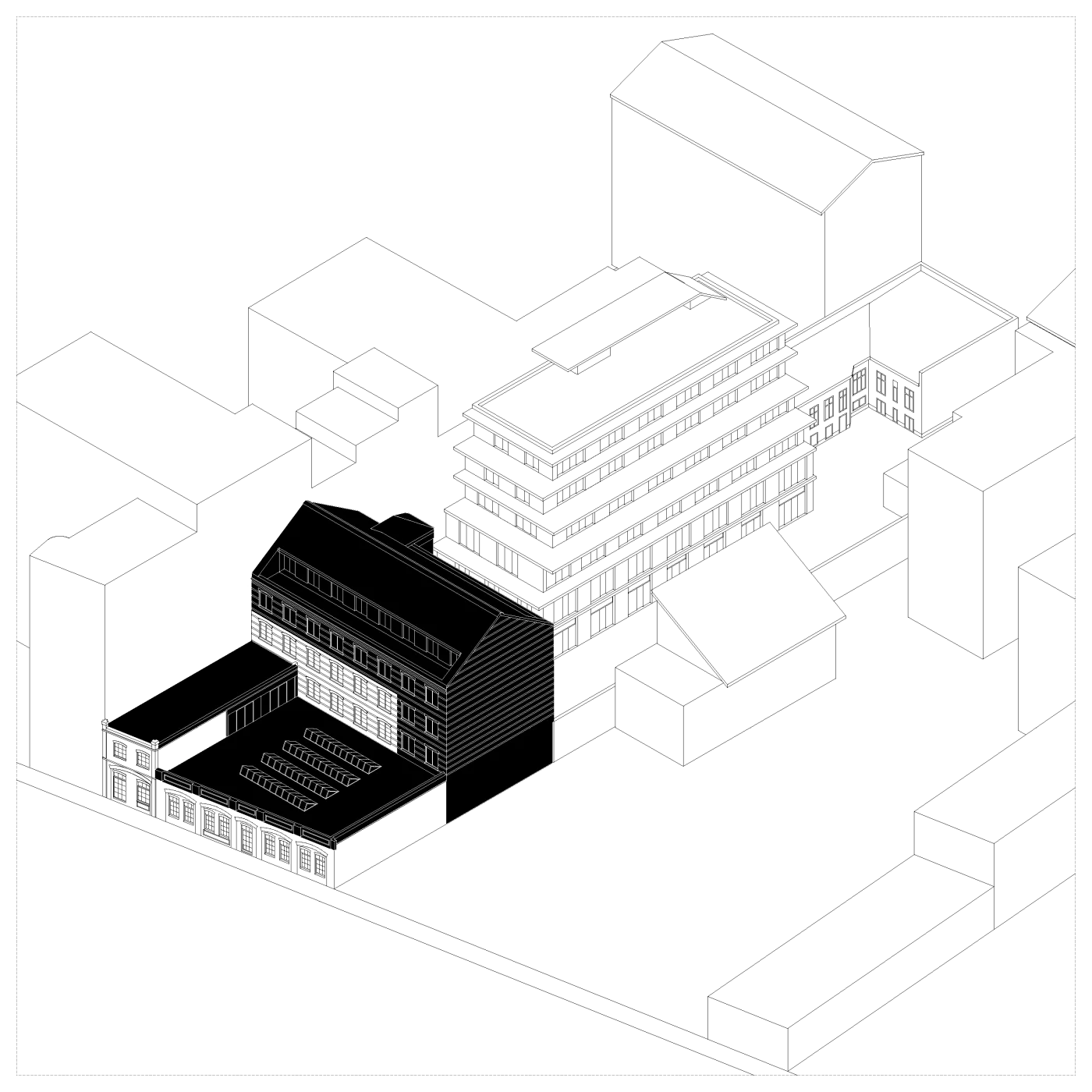
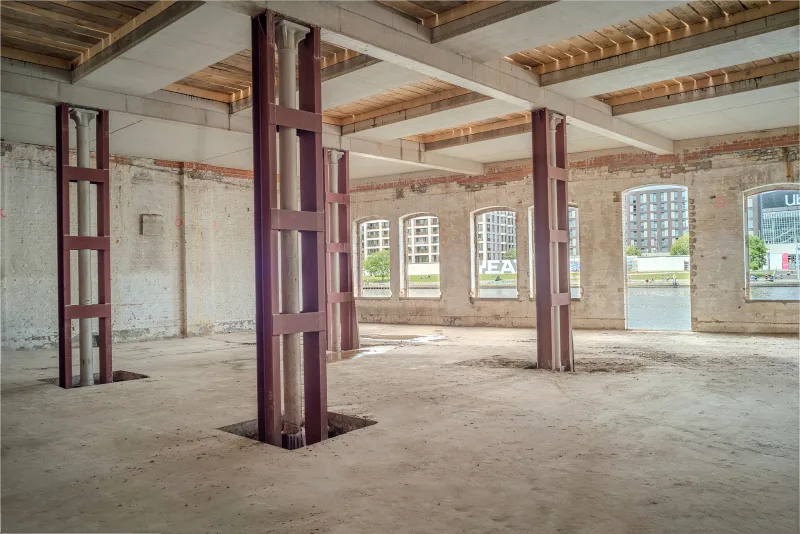
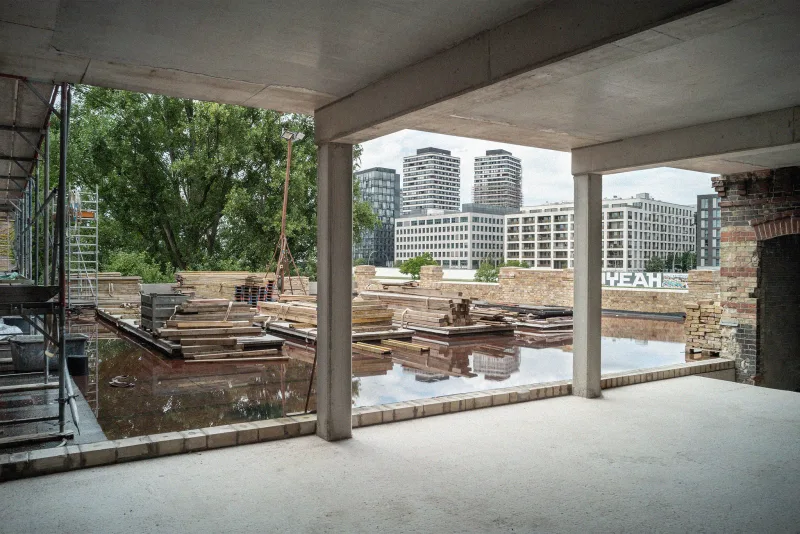
The former factory building of the Dampfdruckerei is located directly on the River Spree and is a listed heritage building. A carefully considered vertical extension complements the existing structure, while lost façade axes are being reinstated in reference to the building’s historic character.

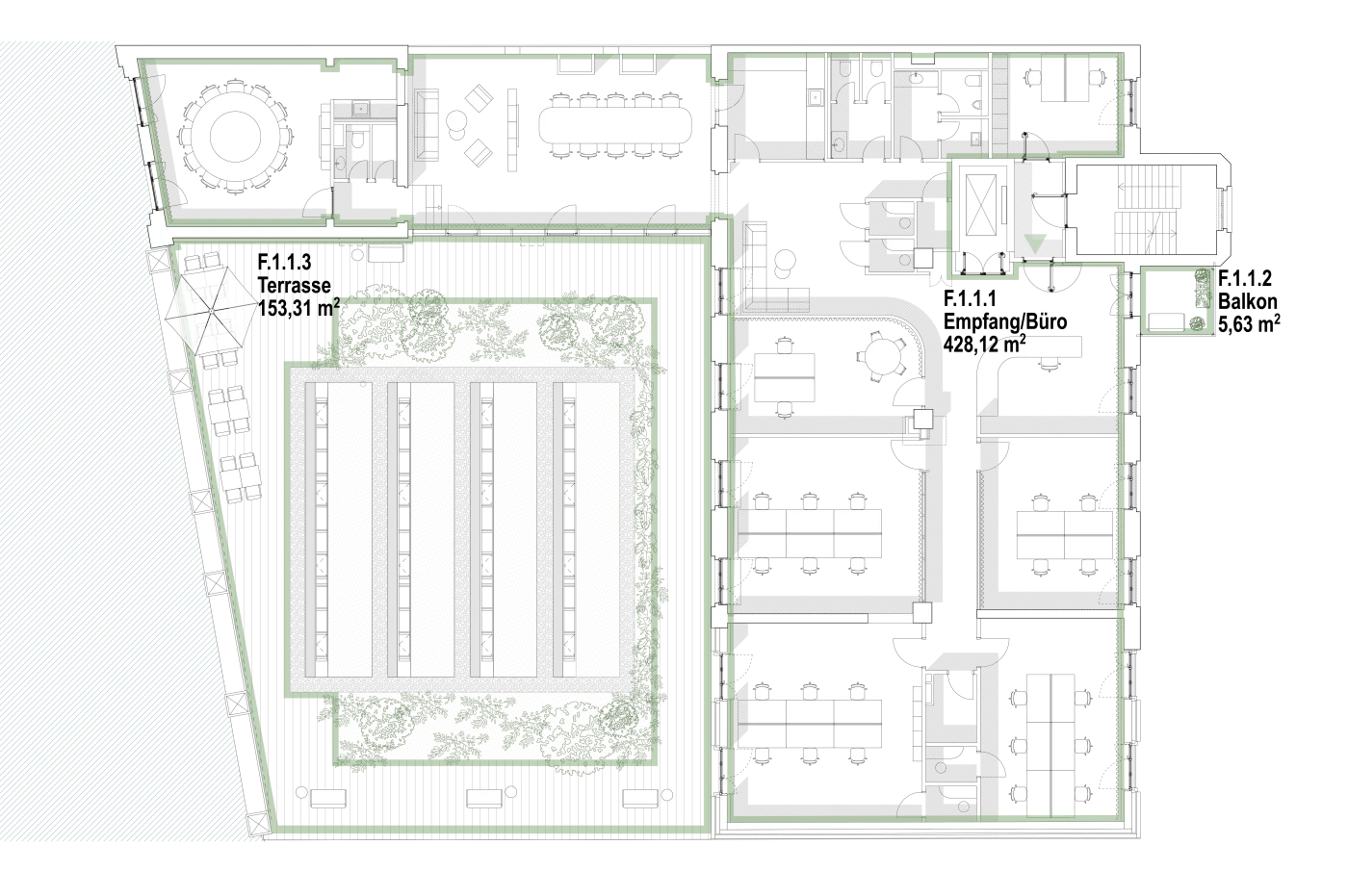
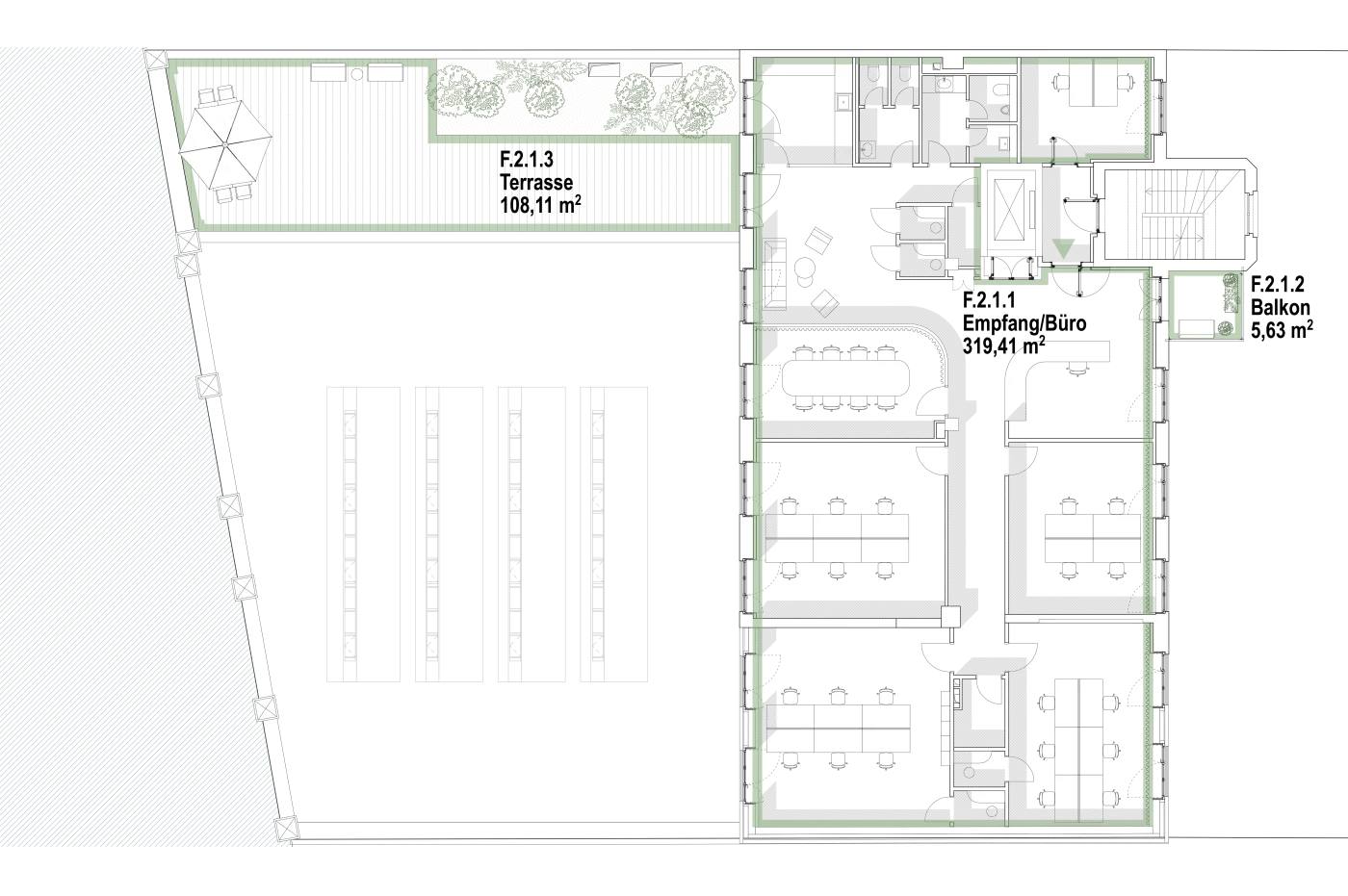
Each unit features its own landscaped terrace with direct views of the water, creating a distinctive interplay between industrial heritage, thoughtfully extended existing architecture and high-quality outdoor spaces.

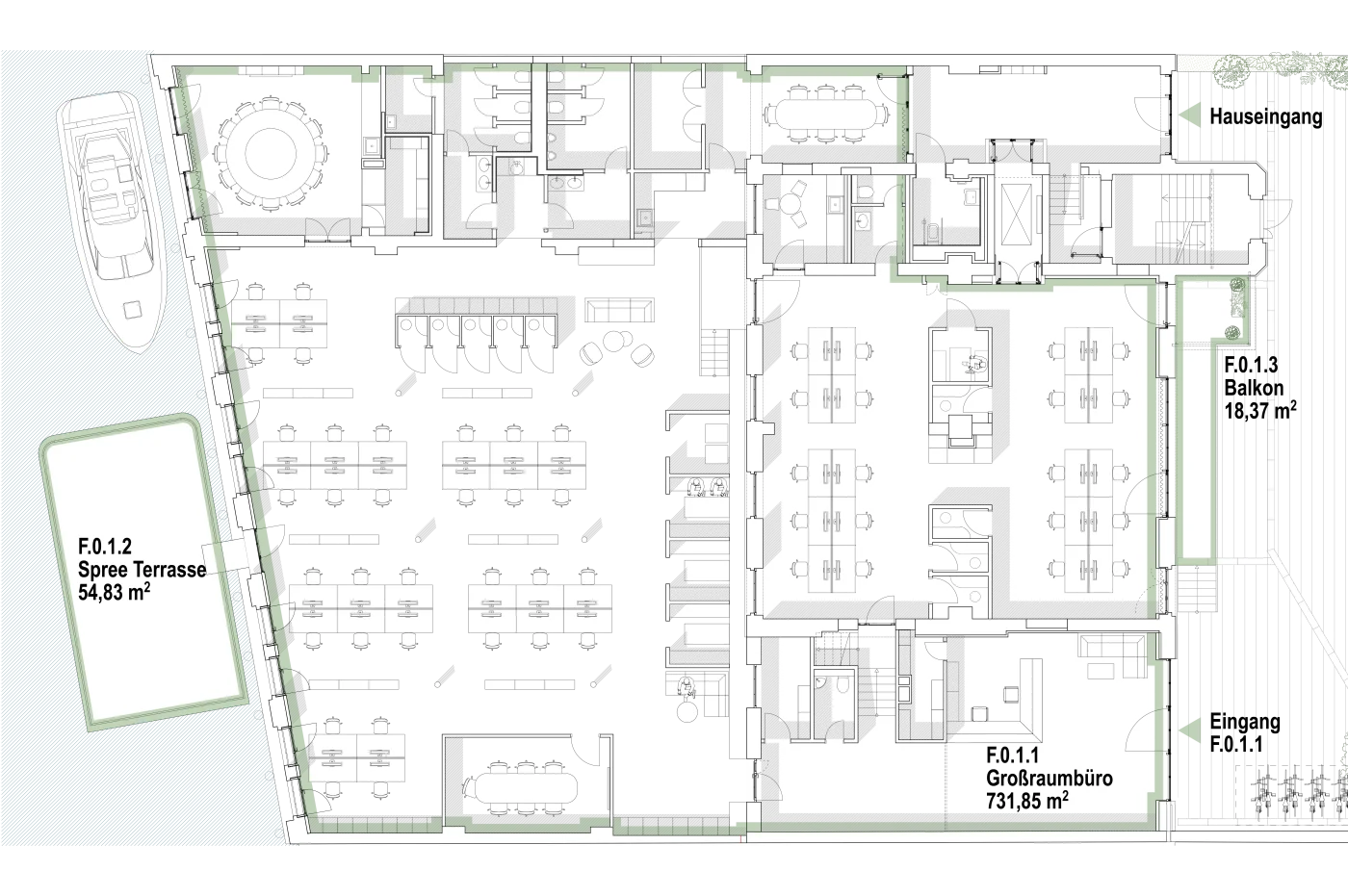
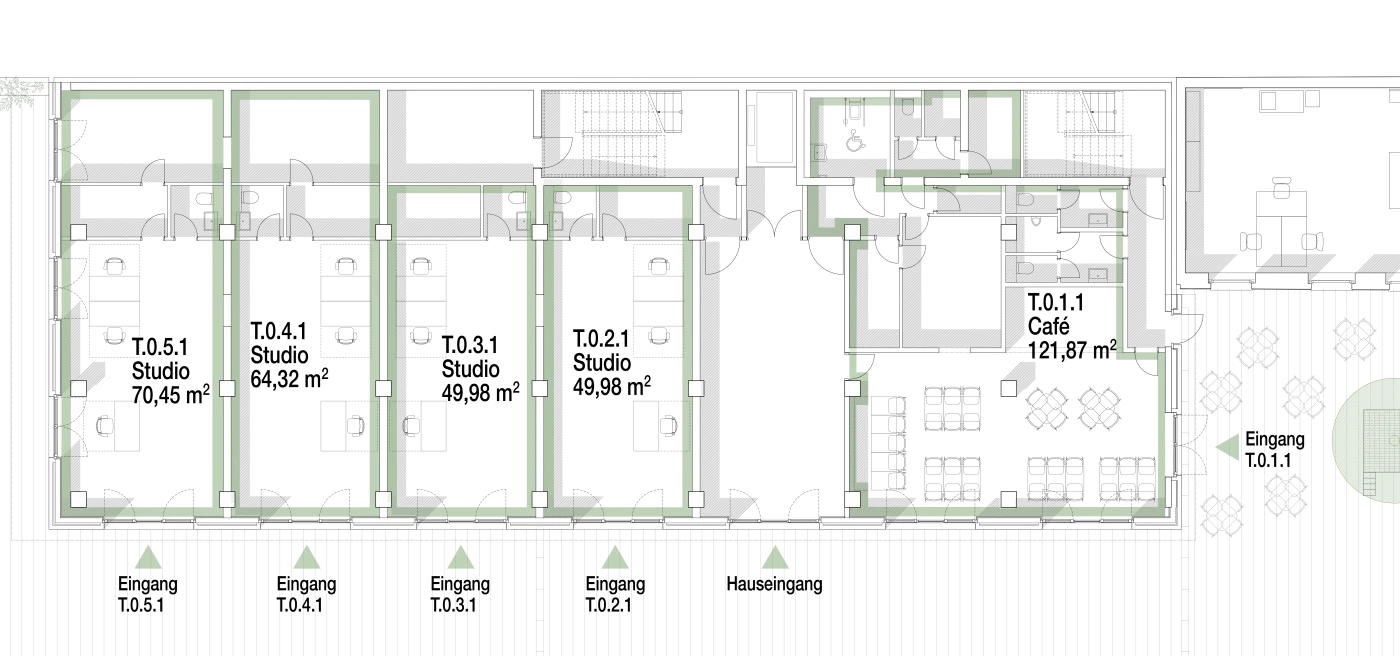
Ground Floor Plan

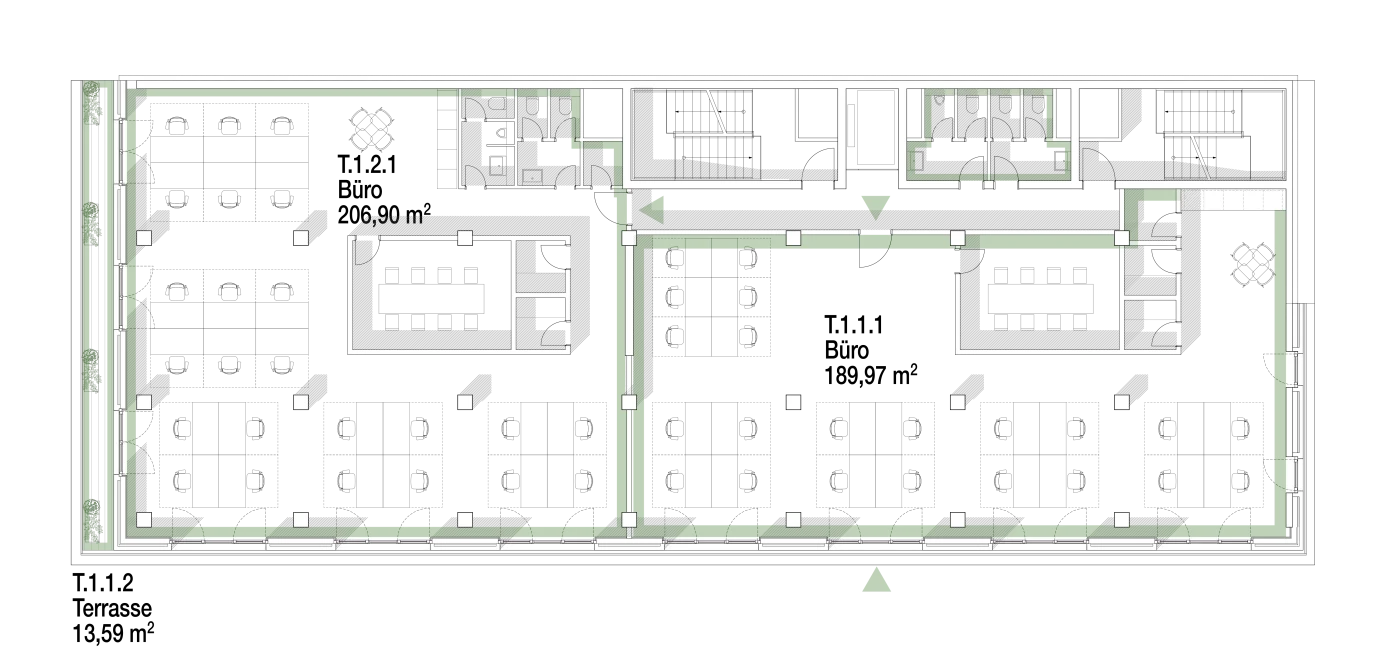
1st Floor Plan

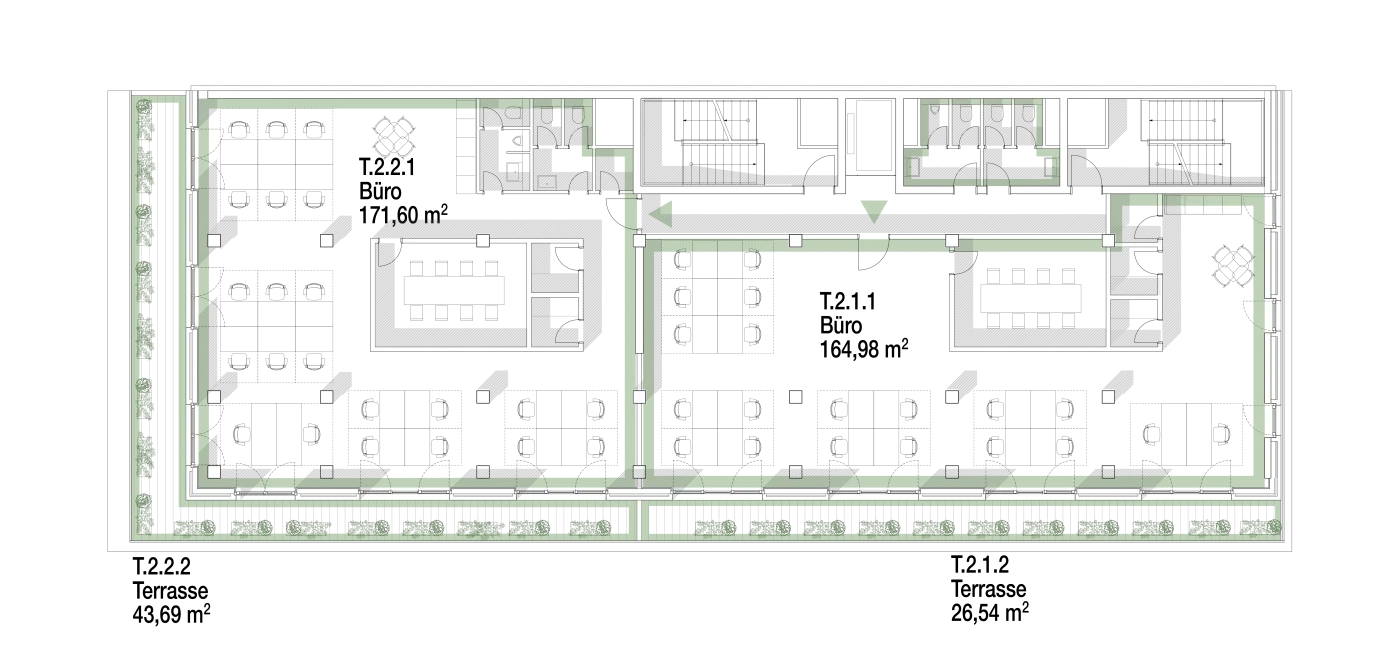
2nd Floor Plan

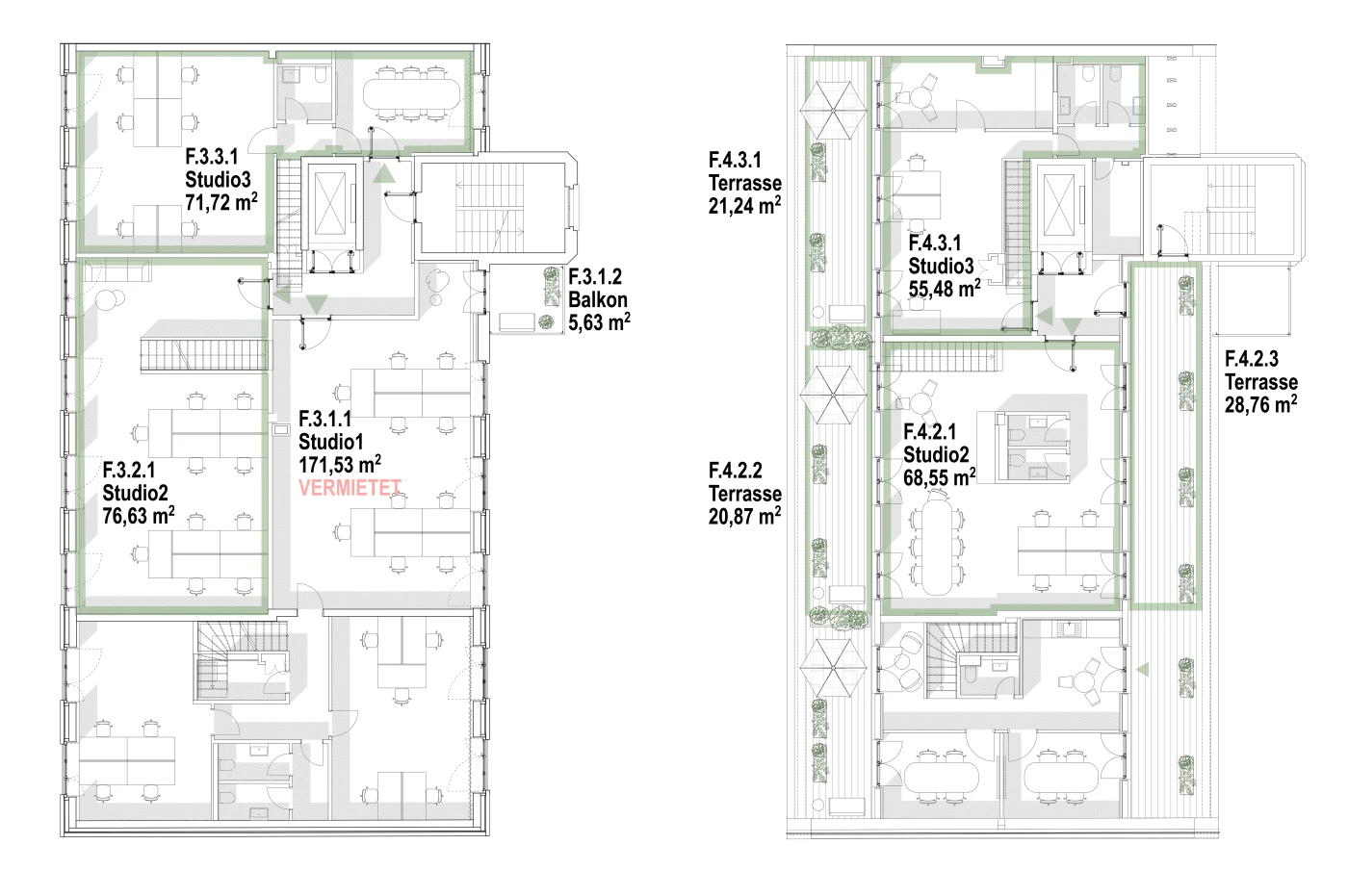
3+4rd Floor Plan

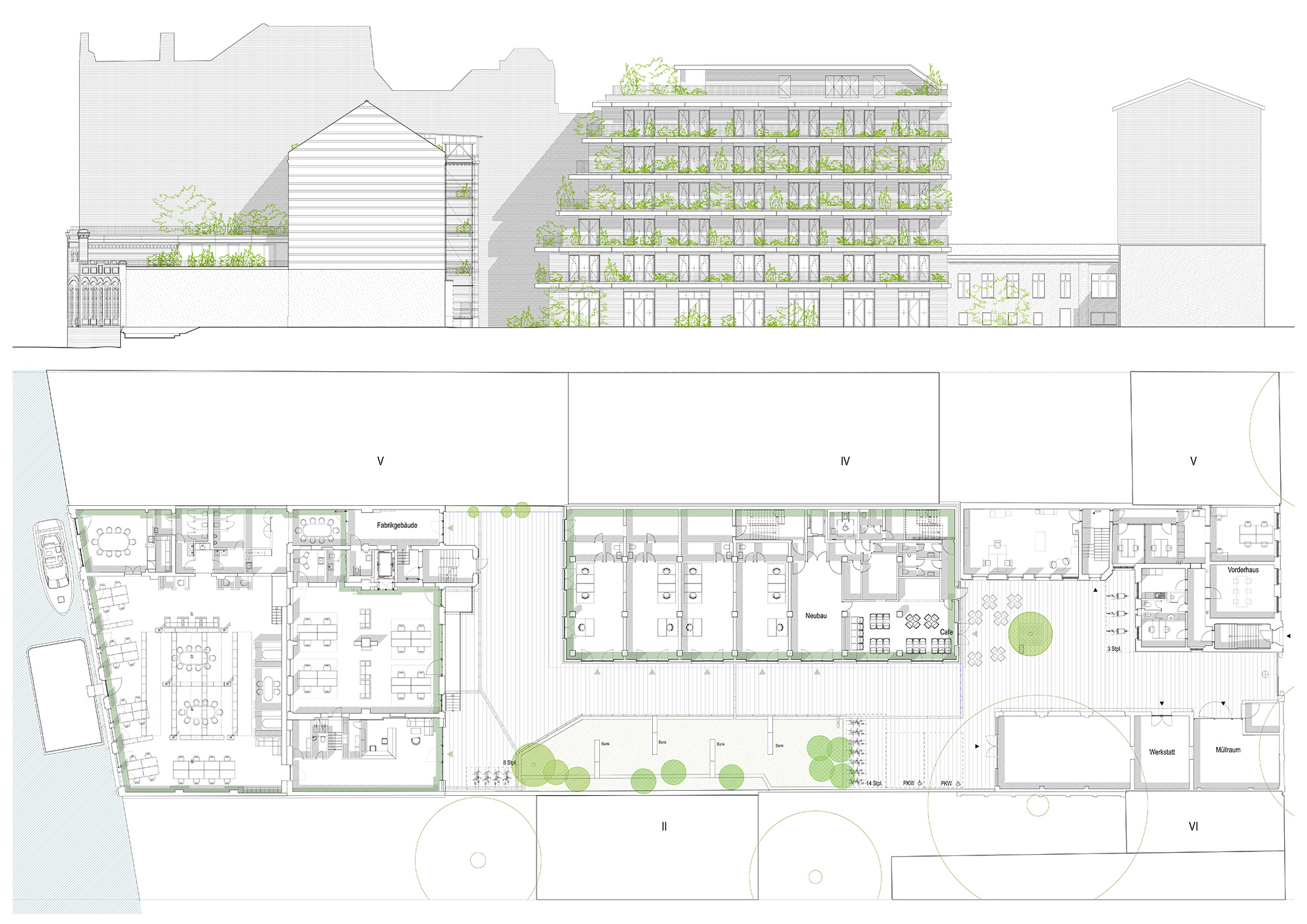
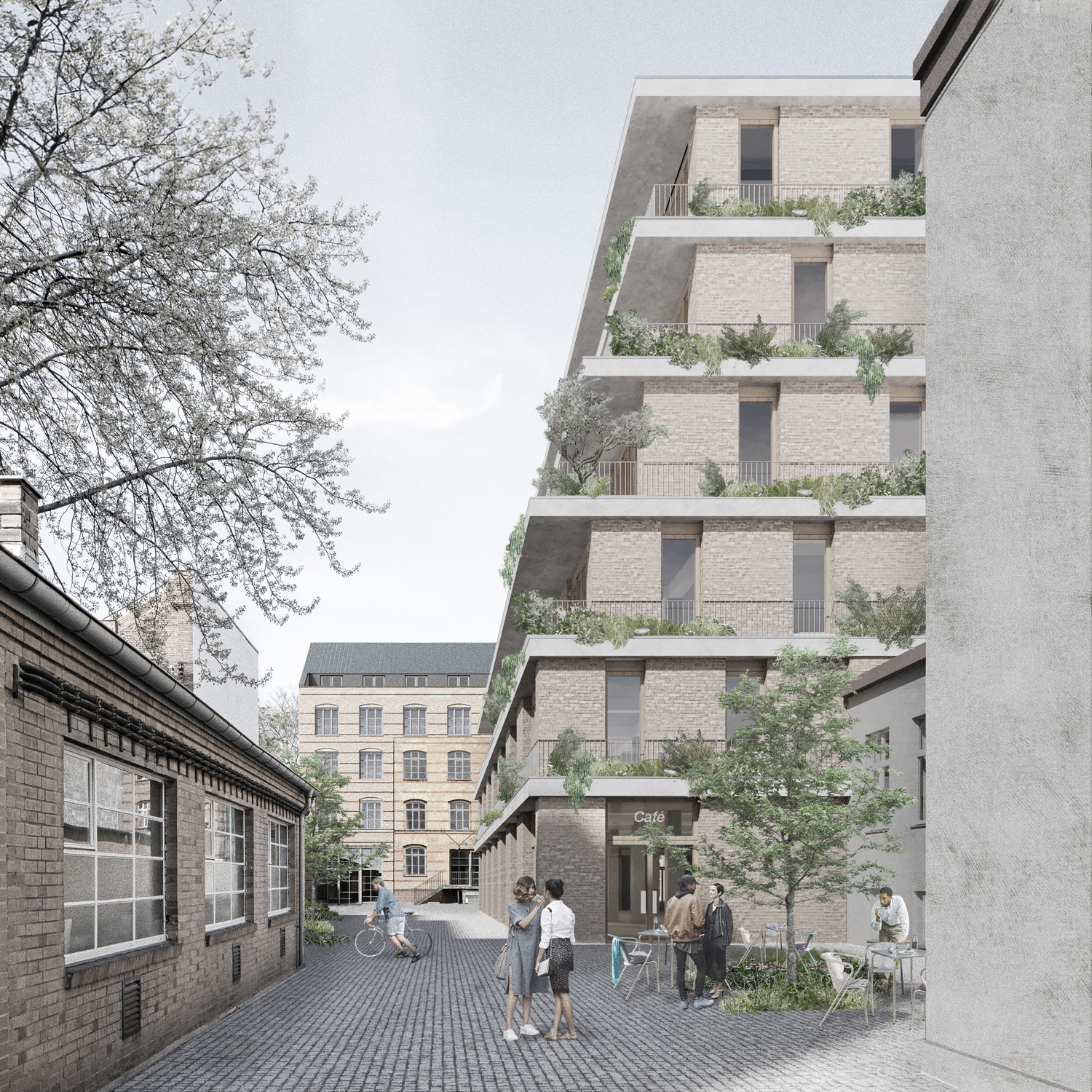
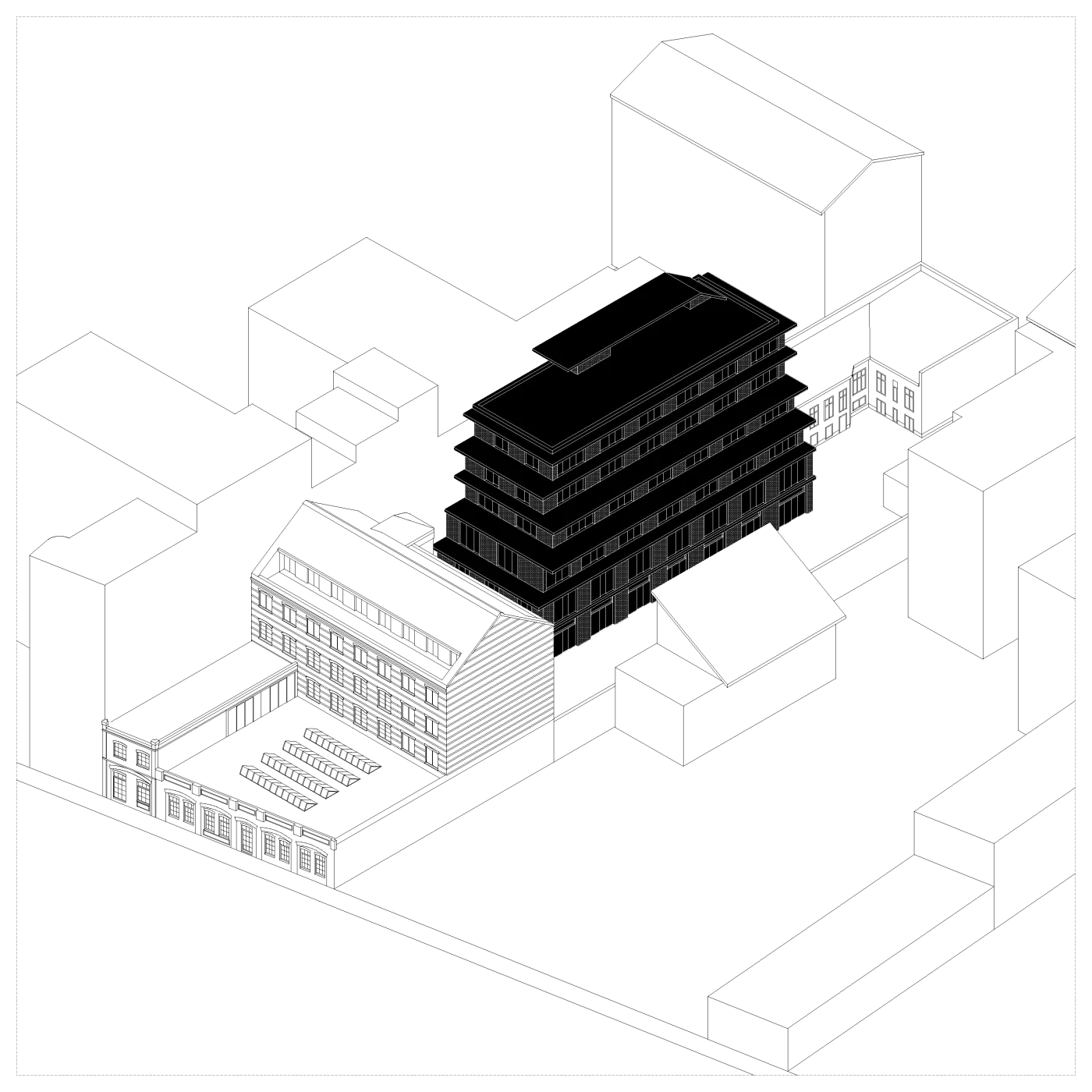
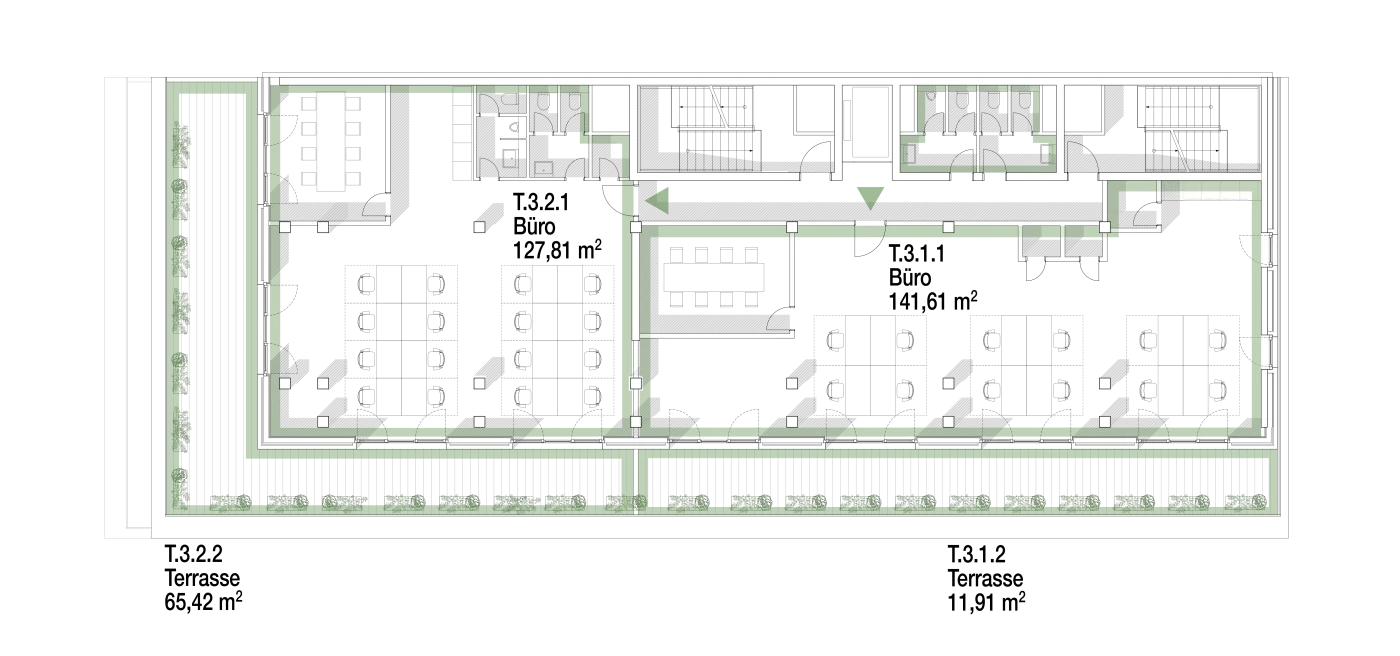
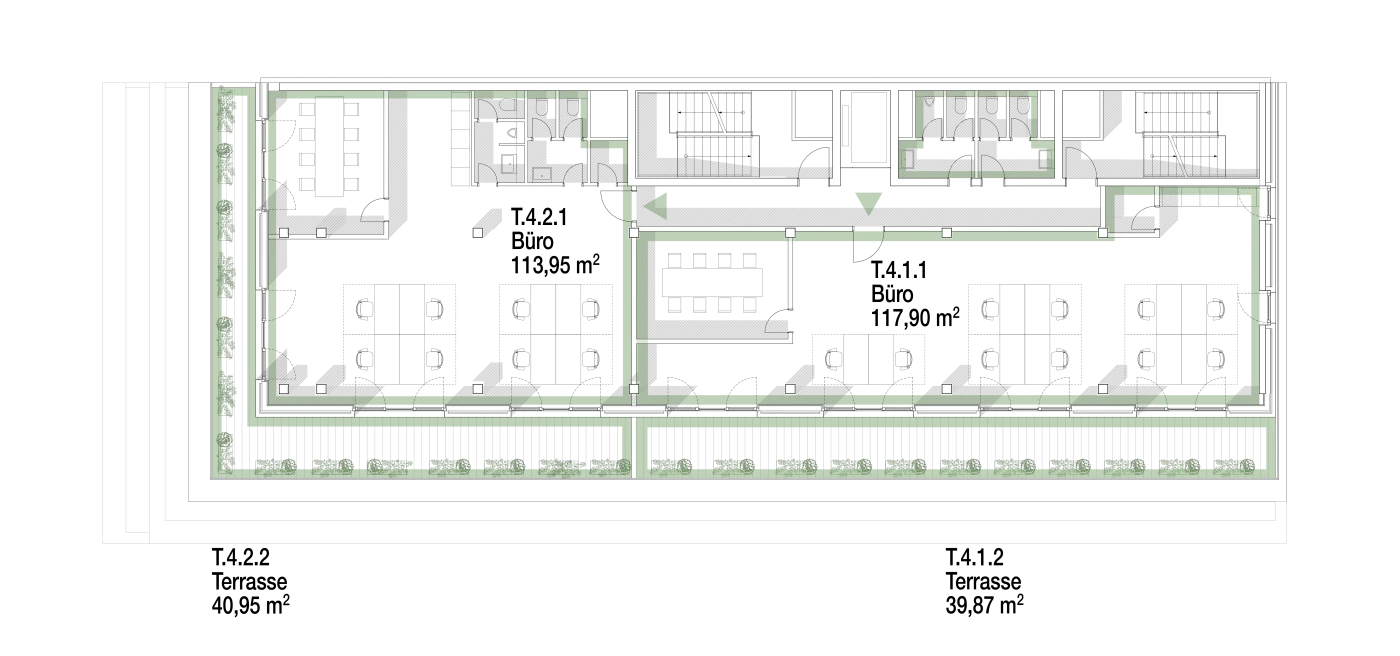
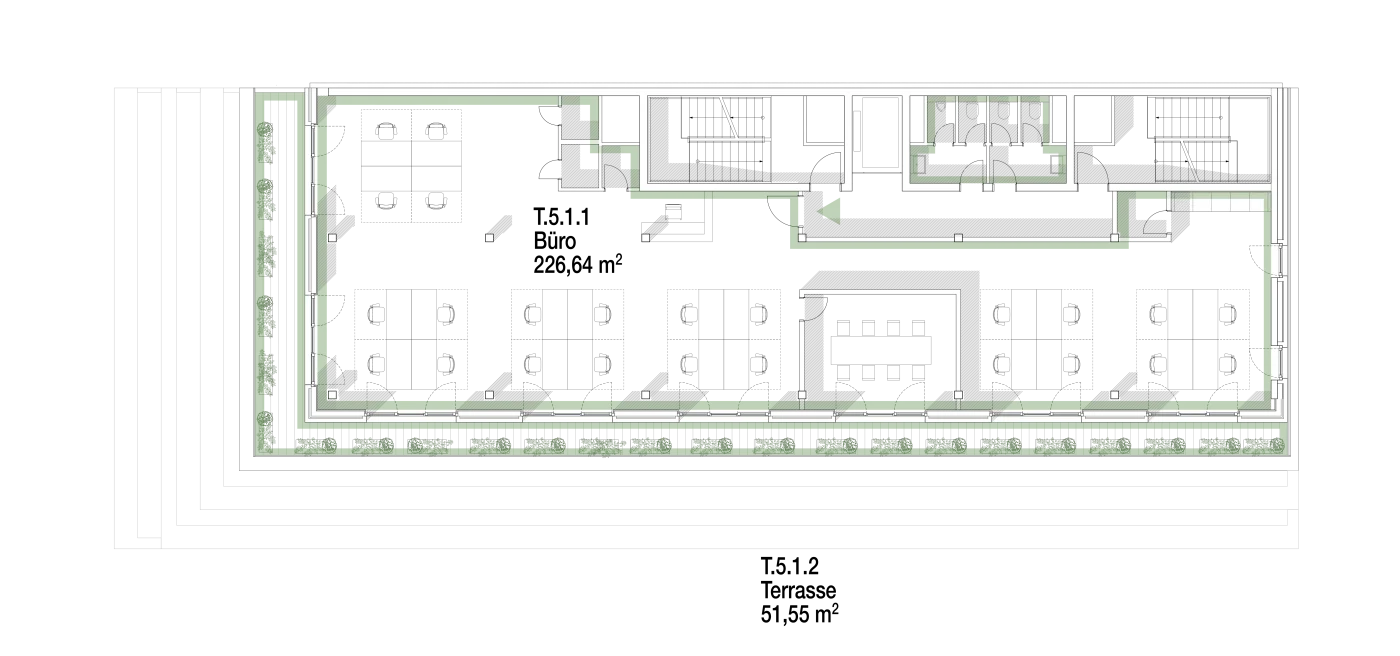
The five-storey new-build offers an open-plan structure with continuous, landscaped terraces on every floor. Units of varying sizes can be combined flexibly, allowing for a wide range of uses — from working and living to communal and cultural formats.

A ground-floor food and beverage concept creates an inviting public-facing element, while the shared rooftop terrace expands the spatial offering with an open, communal space featuring views towards the River Spree.

Lageplan vom Neubau

Ground Floor Plan

1st Floor Plan

2nd Floor Plan

3rd Floor Plan

4th Floor Plan

5th Floor Plan

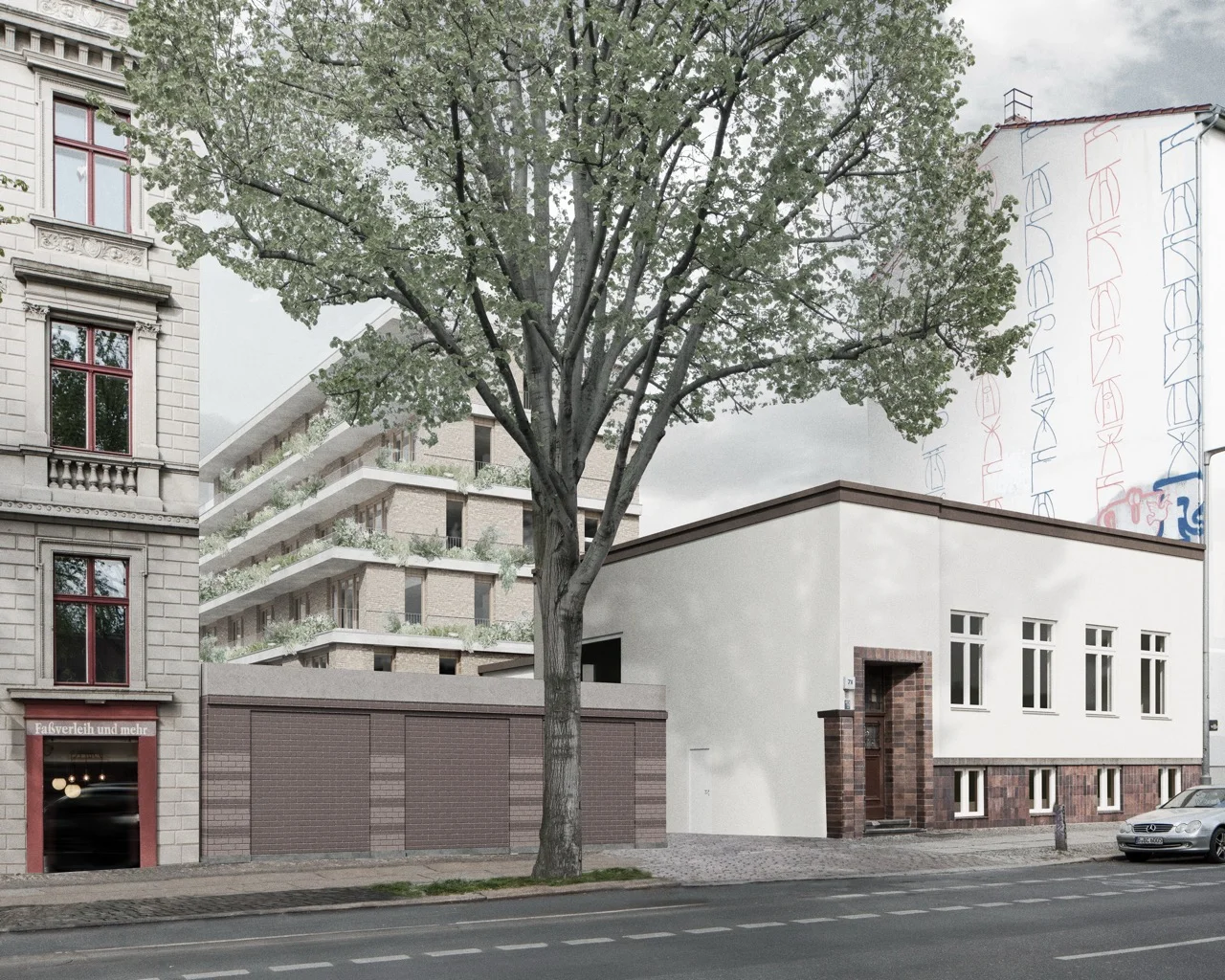
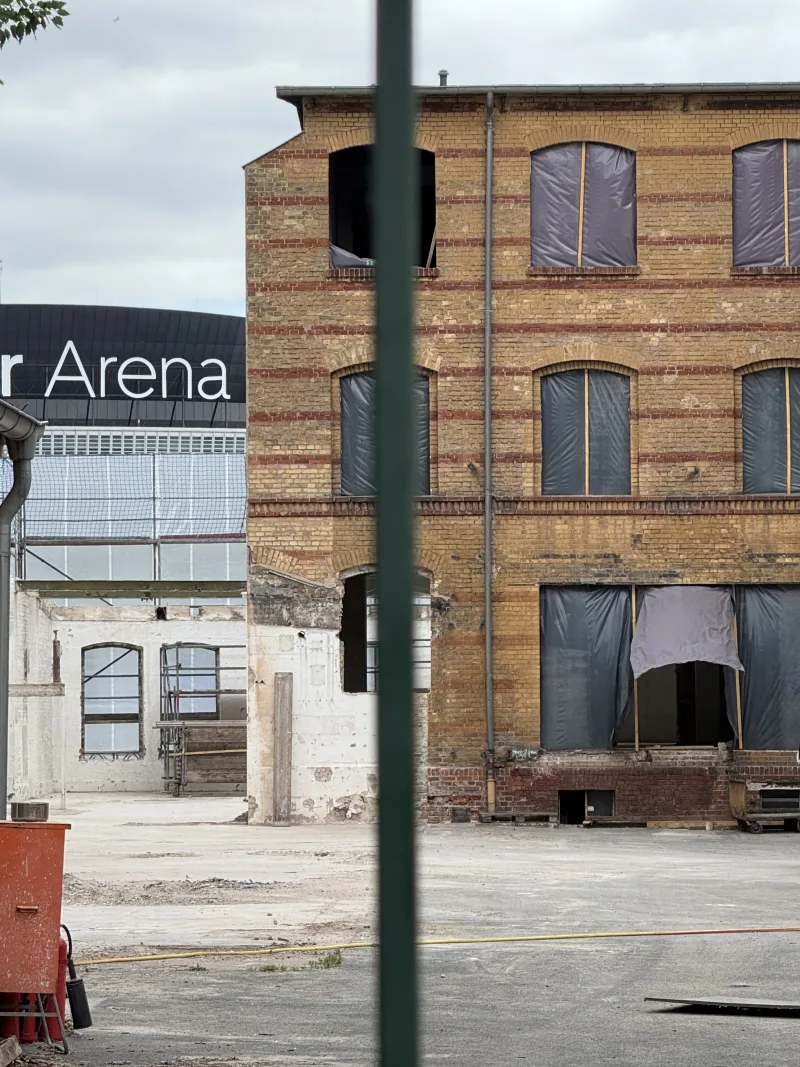
The street-facing building at Köpenicker Straße 7a was originally designed as the factory owner’s villa and formed an integral part of the industrial ensemble. With its own entrance directly from the street, it stands apart from the surrounding buildings through its distinct scale and architectural character.

The historic fabric will be carefully preserved and sensitively modernised, enabling new uses while maintaining the building’s original identity and character.

Progress on Site

October 2024 – Building Permit Granted
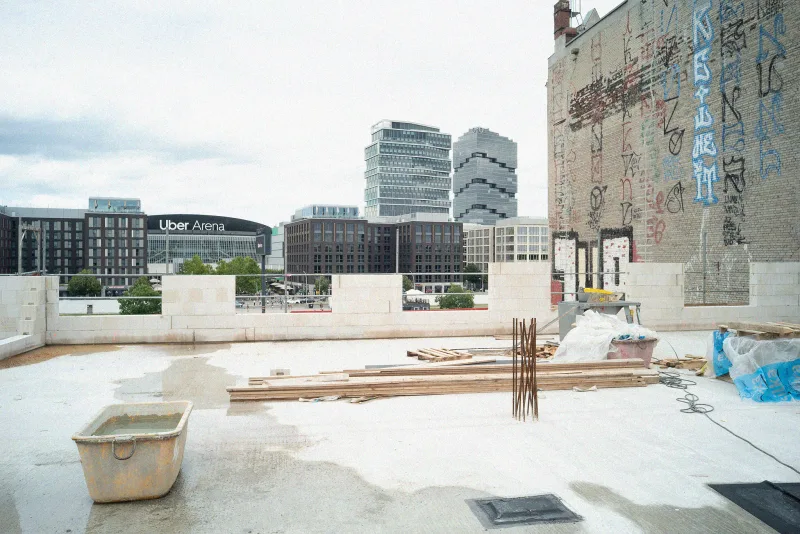
The building permit has been granted for the project comprising the renovation, reconstruction and extension of the listed historic factory building, as well as the construction of a new six-storey office building.

February–May 2025 – Factory Strip-Out & Partial Demolition of Ancillary Buildings
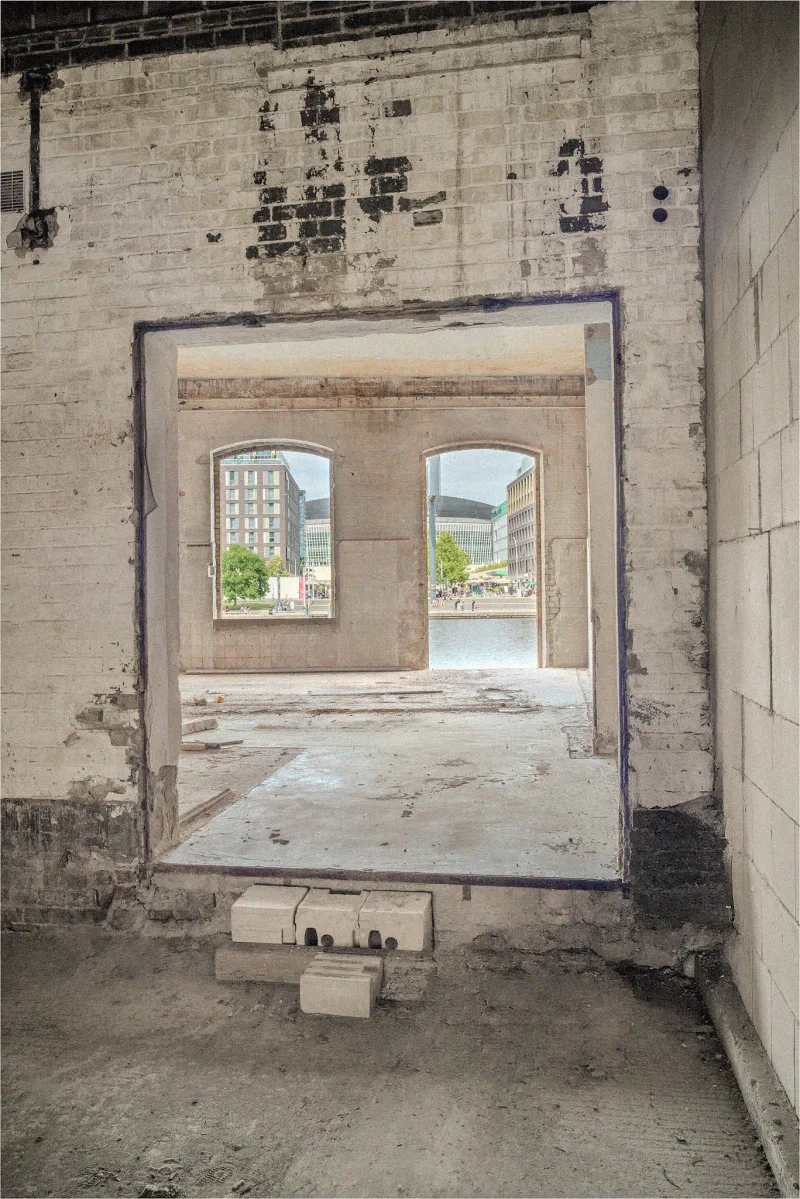
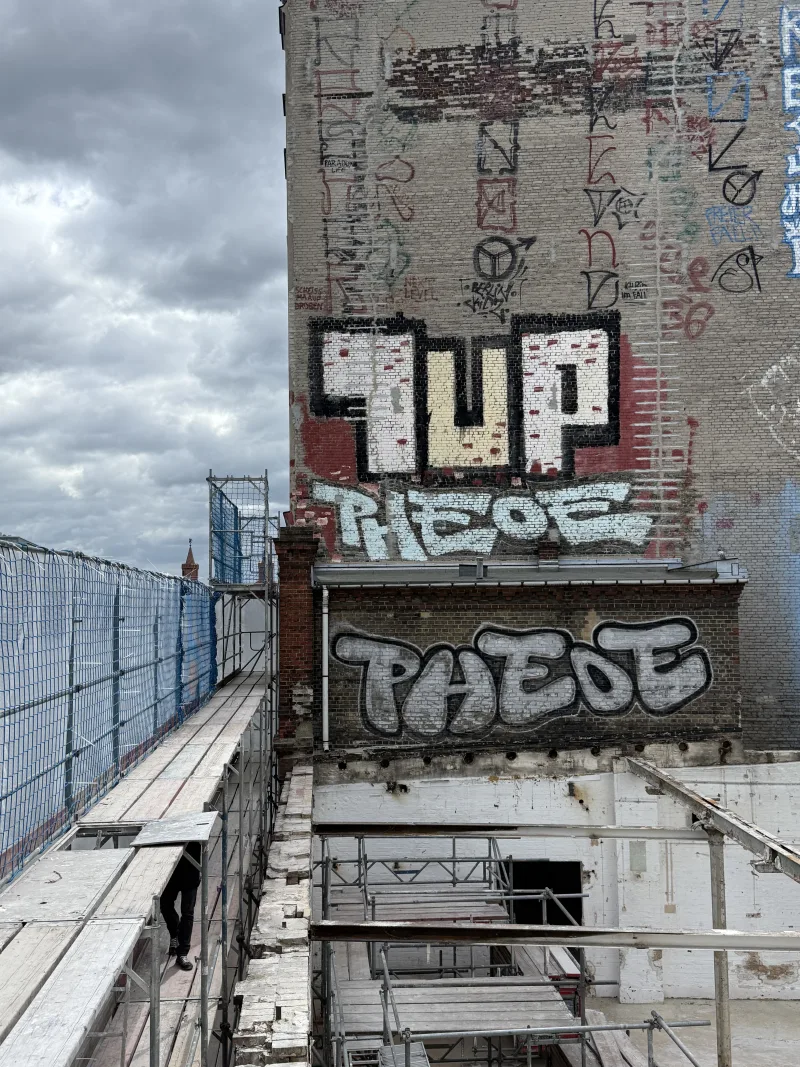
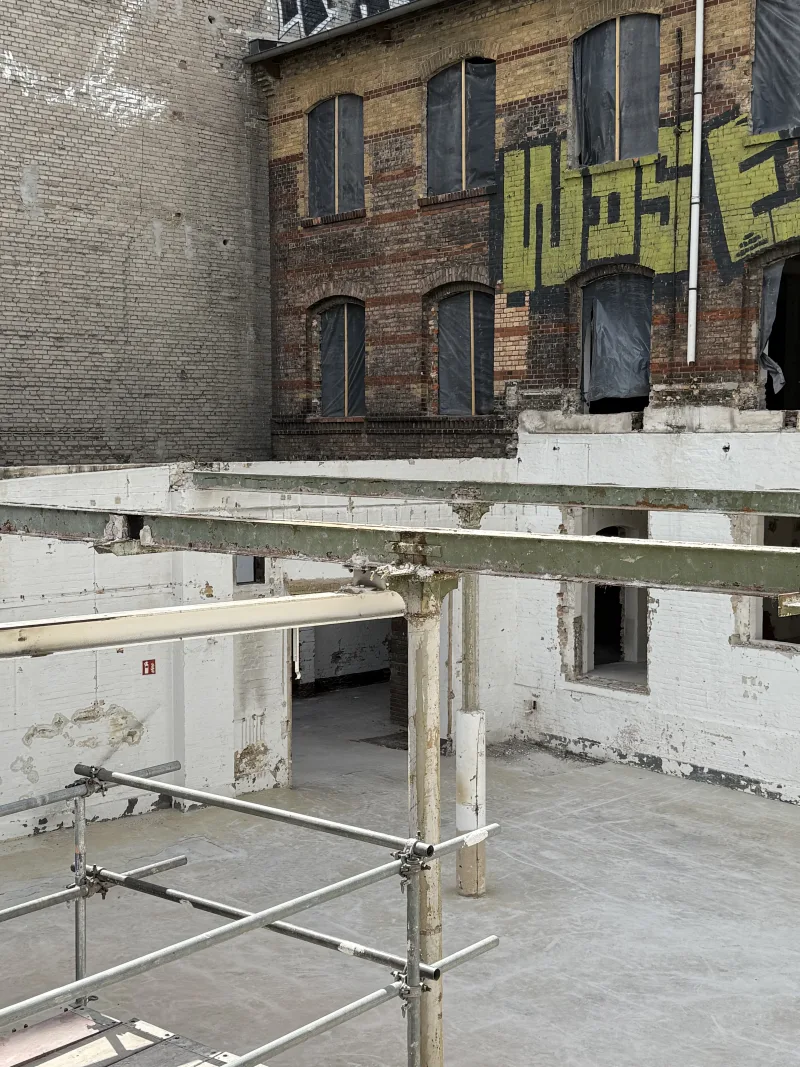
The existing building fabric is cleared and exposed. The old building services and technical installations are removed.
Parts of the workshop’s low-rise structures are demolished to make way for the new building.

June–December 2025 – Renovation of the Front Building
The two-storey building on Köpenicker Straße is renovated and leased to companies from the music industry. A site office and facilities for the construction companies are established in the side wing.

August–October 2025 – Factory Foundations
The historic factory foundations are upgraded with additional concrete slabs to meet current structural requirements. The basement wall at the north-western gable is renewed.

November 2025–September 2026 – Factory Structural Works
The ground floor through to the second floor of the north-western section of the factory is reconstructed. The hall facing the River Spree receives a new accessible roof. The additional storey and attic floor are currently under construction.

April 2026 – New Building Foundations
The new building receives a secure deep foundation consisting of 34 bored piles.

May–July 2026 – Renovation and Reconstruction of the Spree Facade
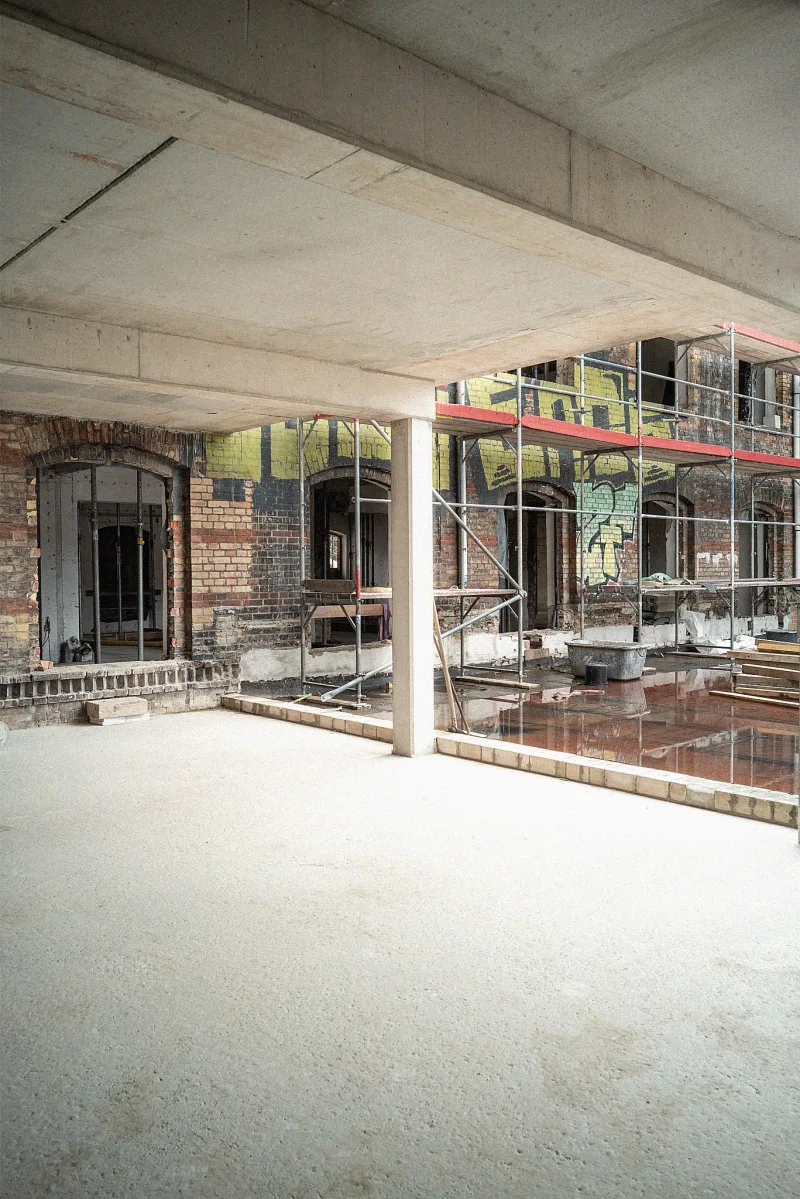
The exposed brick façade directly along the River Spree is cleaned and professionally restored. The parapet is reconstructed in accordance with the historic design.

History

Discover more about the history of the former Dampfdruckerei here.

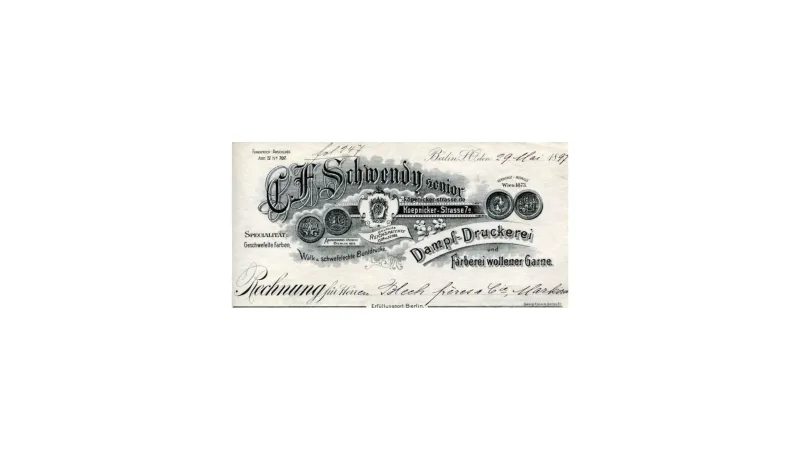
The site at Köpenicker Straße 7a has a long and multifaceted history, closely intertwined with Berlin’s industrial development. As early as the late 19th century, a hub for commercial and artisanal production emerged here along the banks of the River Spree. The site was characterised by factory buildings, warehouses and workshops, many of which served the printing and media industries — including a significant steam printing works that played a defining role in shaping the site.

Over time, these various uses evolved into a diverse industrial ensemble. Its direct proximity to the River Spree also provided an important economic advantage, allowing the site to benefit from its connection to the water. During the destruction of the Second World War, numerous sections of the complex were damaged or completely destroyed, marking a significant turning point in the site’s history. The structures lost during the war continue to influence the form of the ensemble today, which was subsequently complemented by carefully considered additions and reconstructions.

In the post-war period and throughout the era of the GDR, the site continued to serve industrial purposes, albeit under changing conditions and with a number of pragmatic adaptations and changes of use. The once-impressive factory buildings gradually lost some of their significance and were increasingly used for purely functional purposes, accompanied by a certain deterioration of the building fabric. Nevertheless, the proximity to the River Spree remained a defining characteristic of the site, whose location and architectural fabric repeatedly offered potential for transformation and new uses.

Since German reunification, Köpenicker Straße 7a has faced both new challenges and new opportunities. Industrial use was largely discontinued, and the site increasingly attracted the attention of investors and urban developers. This has created a delicate balance between preserving the listed historic fabric, integrating new uses and developing sustainable concepts that respect the site’s historic character while creating space for contemporary working environments, culture and social interaction.

Today, the site reflects Berlin’s history as a centre of industry and media, while at the same time remaining an open canvas for future development.
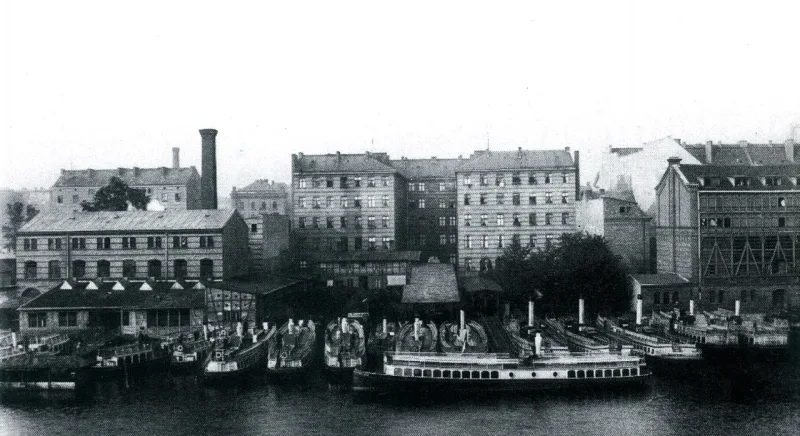
Historically, timber drying facilities and storage areas along the River Spree played an important role in the region’s timber processing and trade. The nearby waterway provided ideal conditions for transporting large quantities of timber by boat, while also allowing the material to be stored directly at the point of processing.

Before being processed further, the timber had to be dried to prevent decay and improve its durability and quality. Special drying facilities were therefore established, where the timber could either be air-dried or dried in heated halls.

This combination of storage and drying facilities along the waterfront formed an important part of the regional economy, reflecting the close relationship between transportation routes, raw material storage and production. Together, they created a functional and logistical hub for the timber industry along the River Spree.

Dannenberger played a central role in the history of calico printing along the River Spree and had a defining influence on the industrial ensemble. As a leading company in the textile and printing industries, Dannenberger was particularly known for the production of calico fabrics — printed cotton textiles that were in high demand throughout the 19th and early 20th centuries. The works on the banks of the Spree combined traditional craftsmanship with industrial production and made a significant contribution to the economic importance of the site.

Its direct location on the River Spree enabled Dannenberger to efficiently receive raw materials and ship finished goods, strengthening the company’s competitiveness. The proximity to the water also played an important role in the production process itself, as water was essential for textile finishing and printing. The company was therefore not only a significant employer, but also an important driver of the area’s urban and economic development.

Over time, the site reflected the transformation from traditional craftsmanship to industrial manufacturing, with Dannenberger playing a key role in driving this development. The factory buildings, some of which are listed heritage structures, still bear witness to the heyday of calico printing and the close relationship between industry, craftsmanship and the River Spree.

Location

KÖPENICKERSTR. 7A
10997 BERLIN

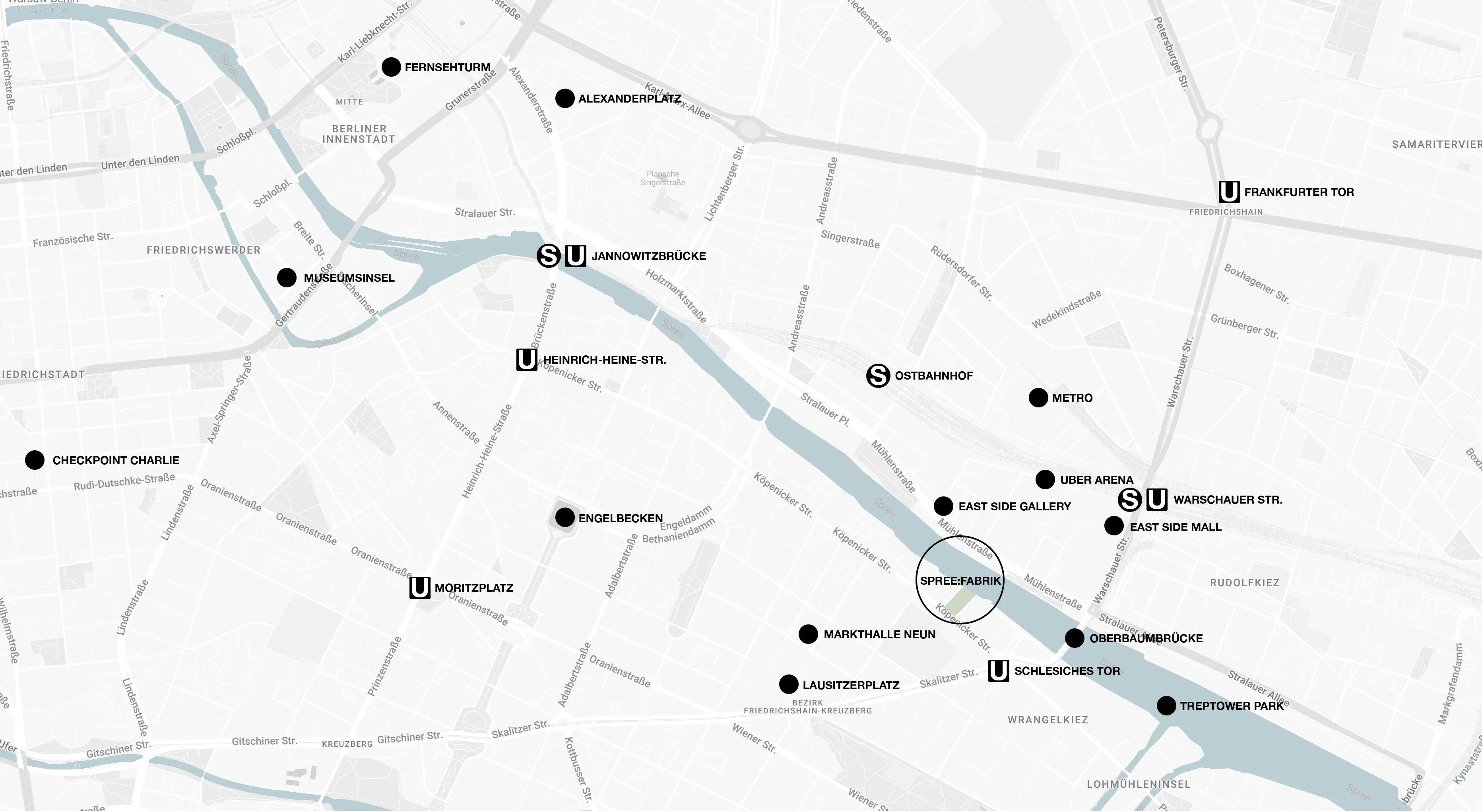
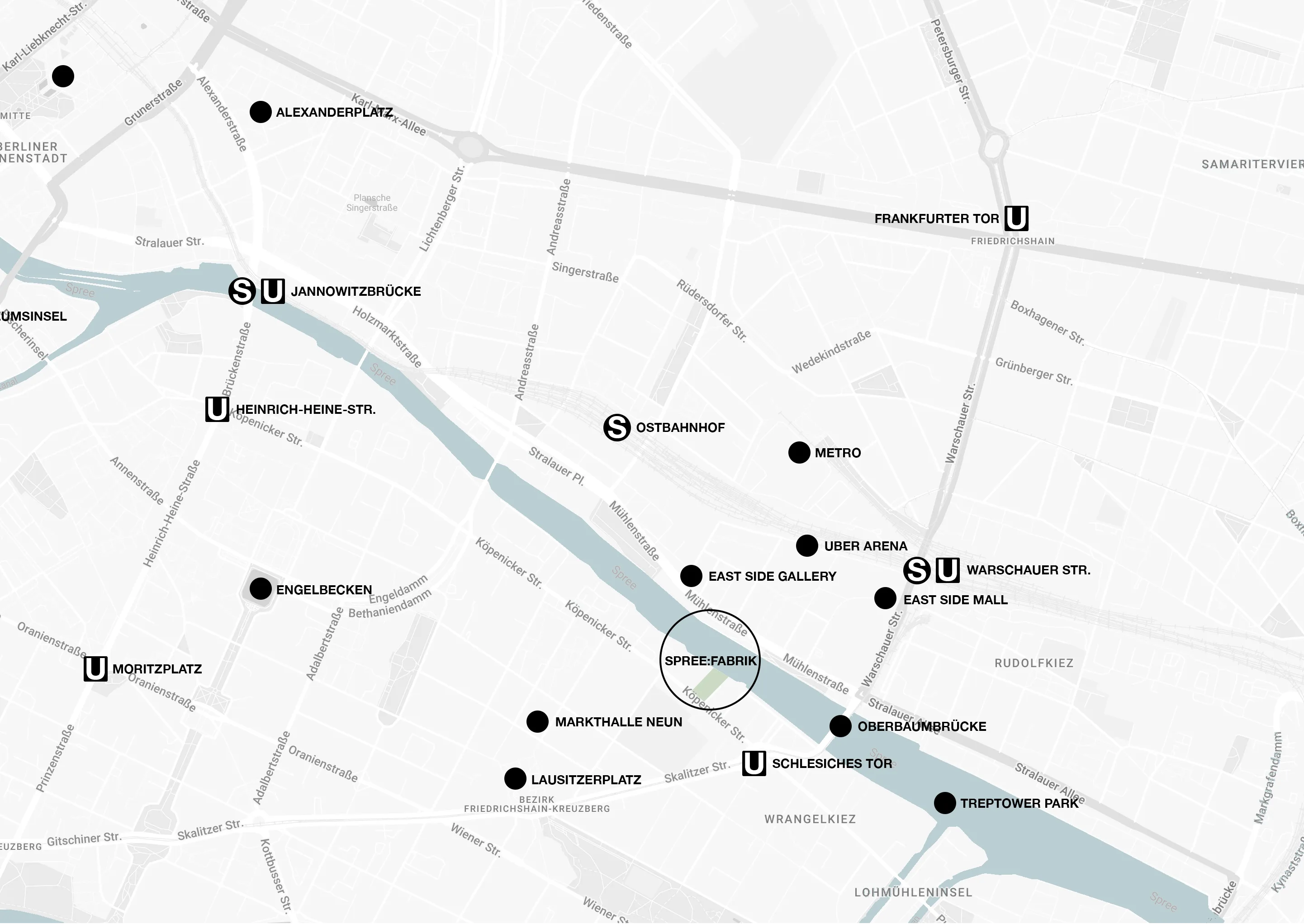
Köpenicker Straße 7a is located in the heart of vibrant Kreuzberg, just a few minutes’ walk from Oberbaum Bridge and Markthalle Neun. The surrounding neighbourhood is characterised by creative studios, innovative dining concepts and a dynamic urban mix of history and contemporary culture.

Contact

Matthias Kraemer
+49 30 617768438
vermietung@spreefabrik.berlin
Hausverwaltung Klinkenberg